


E-Newsletter
Can An Old Dog Learn New Tricks?
April 22, 2013
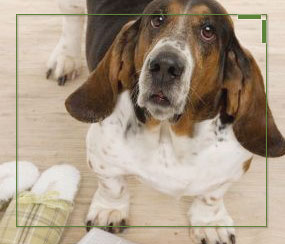
According to conventional wisdom, “you can’t teach an old dog new tricks.” Sadly, some old dogs with a condition known as Cognitive Dysfunction Syndrome (CDS) not only have trouble learning new skills — they often forget their old training. And, as more pets are living longer, CDS is showing up more often. Researchers at the University of California at Davis found 62 percent of dogs between 11 and 16 years old have at least one major symptom of CDS (Landsburg, 2003). Studies have shown similar results for older cats. And some veterinarians say they’ve treated pets with CDS as young as 8 years old.
What’s the difference between CDS and old age?
CDS is not just old age, but it is an age-related behavioral disorder that causes changes in the behavior of older pets. The most common symptoms of CDS are similar to those of human Alzheimer’s patients:
- Disorientation or confusion
- Memory loss
- Personality changes
“Unfortunately, many pet owners notice changes yet assume their dog or cat is just getting old and a little senile,” said Craig Parks, DVM, Virbac, Research & Development. “Pet owners may think it’s natural so they don’t report these behavior changes to their veterinarian. So a situation that could be improved, grows worse.”
How can I tell if my older pet has CDS?
Brain aging and signs of deterioration may occur either suddenly or gradually. Your pet may sleep a lot during the day and keep you awake at night with pacing. You may notice a change in appetite, house-soiling, changes in behavior, even grumpy moods or aggression. “In addition to getting lost in their own yards, dogs with CDS may cower in the corners of familiar rooms unable to remember how to get past the sofa and chair. They forget the distinction between indoors and outdoors, and soil the floors,” according to Gloria Dodd, DVM. “At the end, these pets may even fail to recognize their owners and friends.”
Is there a way to keep my pet “young in mind?”
Researchers and veterinarians are learning more about brain aging and behavioral changes in older pets. As dogs and cats age, their levels of activity and awareness can decline. However, your veterinarian can help to manage this disorder. Four identified areas include training activities, modifying a pet’s environment, diet, and medical therapies. One new option is a nutritional supplement that has been shown to help improve the major signs of CDS. Only available through a veterinarian, NOVIFIT® NoviSAMe® Tablets from Virbac Animal Health, have been shown to increase activity, restore sleep cycles, correct inappropriate urination, and bring back learned behaviors.
What should I do if I see changes in my pet?
Remember, certain changes in senior pets are not normal. A noticeable deterioration in your pet’s activity or ability to interact with the family should be discussed with your veterinarian to see if there is an underlying medical condition. With such a high percentage of senior animals exhibiting signs of CDS, veterinarians are now being asked to include a screening for behavior changes in their senior pet examinations.